Advanced Electronics Manufacturing Services for PCBA, Microelectronics, and System Integration
The development of modern electronic products requires a manufacturing process that can bring together technical precision, dependable materials, efficient assembly, and coordinated production management. As circuit designs become more sophisticated and electronic systems incorporate increasingly compact components, businesses need manufacturing capabilities that can accommodate both straightforward assemblies and highly detailed products. A comprehensive electronics manufacturing partner can provide the resources needed to connect these different stages while maintaining an organized approach to production.
Wintech offers advanced manufacturing technologies and supply chain management capabilities designed to support the electronics manufacturing services industry. With diverse experience in microelectronics, printed circuit board assembly (PCBA), and systems integration, the company provides a broad range of solutions for businesses developing and producing electronic products. Its capabilities can support projects involving individual circuit assemblies as well as products that require multiple manufacturing and integration stages.
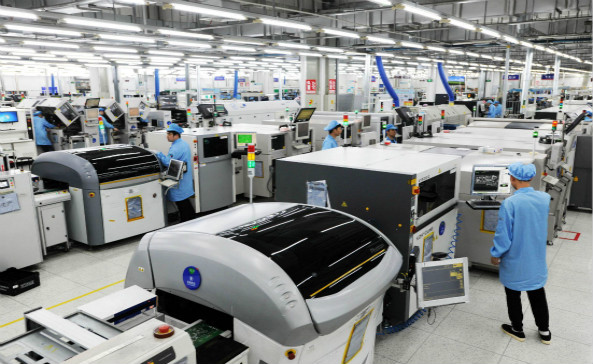
Understanding the Importance of Modern PCBA Manufacturing
Printed circuit board assembly is a fundamental stage in the production of many electronic devices. A properly assembled circuit board provides the electrical connections and component arrangement required for an electronic product to perform according to its design. Depending on the application, PCBA production may involve numerous components, different package types, compact layouts, and specific manufacturing requirements.
Effective PCBA manufacturing requires careful coordination between technical specifications, component placement, soldering processes, inspection, and production planning. Each stage contributes to the reliability and consistency of the finished assembly. For businesses producing electronic products, having access to an experienced manufacturing operation can help simplify the transition from engineering requirements to production-ready assemblies.
Flexible Production for Different Electronic Designs
Not every electronic product has the same manufacturing requirements. Some projects involve relatively simple circuit boards, while others contain dense layouts and specialized components. Production flexibility allows manufacturing processes to be organized around the requirements of individual products rather than forcing every project into an identical workflow.
This flexibility can also be valuable when a product moves through different stages of development. Manufacturing requirements may change as designs are refined, production volumes develop, or additional system components are introduced. A broader production capability provides room to accommodate these changes.
Microelectronics Manufacturing for Specialized Applications
Microelectronics plays an important role in products where compact dimensions, detailed circuit layouts, and specialized components are required. As electronic systems continue to become smaller while offering more functionality, manufacturing processes must be capable of handling increasingly precise assemblies.
Experience in microelectronics gives a manufacturing partner a stronger understanding of the requirements associated with compact electronic assemblies. When combined with PCBA production, this expertise can support projects that involve both conventional printed circuit assemblies and more specialized electronic manufacturing requirements.
Precision Throughout the Manufacturing Workflow
Precision should be considered throughout the entire production process rather than at only one stage. Component handling, assembly, inspection, material management, and final integration can all influence the consistency of an electronic product. Coordinating these activities creates a more structured workflow for projects where technical accuracy is important.
Supply Chain Management for Reliable Production Planning
Electronics manufacturing depends on a steady supply of components and materials. Production schedules can be affected when parts are unavailable, sourcing activities are not properly coordinated, or material requirements change during a project. Supply chain management is therefore closely connected to the success of electronics manufacturing.
Wintech combines manufacturing capabilities with supply chain management experience to support the coordination of materials and production requirements. This approach helps connect component planning with manufacturing schedules, allowing businesses to manage sourcing and production as related parts of the same overall process.
Coordinating Materials With Manufacturing Requirements
A structured supply chain process begins with understanding the bill of materials and the technical requirements of a product. These requirements can then be considered alongside production schedules, assembly needs, and expected volumes. Better coordination between materials and manufacturing can help create greater visibility across the production cycle.
Systems Integration for Complete Electronic Solutions
Many products require more than a completed circuit board. A finished electronic system can contain several PCBs, wiring, mechanical components, interfaces, enclosures, and other assemblies that must operate together. Systems integration connects these individual elements into a coordinated product or production-ready system.
Experience with both simple and complex systems integration allows a manufacturing provider to support projects beyond individual PCB assembly requirements. This broader capability can help businesses manage multiple production stages through a more connected manufacturing process.
Connecting Individual Assemblies Into Larger Systems
System-level manufacturing requires an understanding of how separate assemblies interact. The integration process must consider the requirements of individual components as well as the specifications of the finished product. Coordinating these activities can help reduce unnecessary production handoffs and create a clearer path from individual assemblies to completed systems.
Key Capabilities to Consider When Selecting a Manufacturing Partner
Choosing an electronics manufacturing partner involves evaluating more than production equipment. Businesses should consider the provider's experience with PCBA, microelectronics, component management, systems integration, and production coordination. The ability to support several manufacturing requirements can be particularly useful for projects that may expand in complexity over time.
Important capabilities can include advanced manufacturing technologies, structured production processes, supply chain management, technical manufacturing experience, flexible assembly support, and system-level integration. Together, these features can provide a stronger foundation for businesses seeking organized electronics production.
How an Integrated Electronics Manufacturing Process Works
The manufacturing process generally begins with technical documentation, product specifications, component information, and production requirements. These details help establish the appropriate manufacturing plan and determine the materials, equipment, and processes needed for the project.
Supply chain activities can then be coordinated with the manufacturing schedule. Components and materials are prepared according to production requirements before the PCBA process begins. Following assembly, appropriate inspection and production checks can be performed before the electronic assemblies move to additional manufacturing stages.
When a product requires systems integration, completed circuit assemblies and other components can be brought together according to the final system specifications. This creates a connected workflow covering material coordination, PCB assembly, inspection, and system-level production.
Benefits of Working With an Integrated Manufacturing Resource
An integrated manufacturing approach can provide practical advantages for businesses managing complex electronics projects. Instead of coordinating every production requirement with separate specialized suppliers, businesses can work with a manufacturing partner that offers capabilities across several related areas.
This can simplify communication and help production teams maintain a clearer understanding of the complete project. PCBA requirements can be considered alongside component sourcing, while systems integration requirements can be incorporated into earlier manufacturing planning.
For businesses looking for broad electronics manufacturing capabilities, the Wintech PCBA Manufacturer offers a combination of PCBA, microelectronics, supply chain management, and systems integration experience. This range of services provides a practical resource for companies that need support across multiple stages of electronic product manufacturing.
Supporting Different Levels of Product Complexity
Electronic manufacturing projects can range from individual circuit assemblies to sophisticated systems containing numerous interconnected components. A flexible manufacturing partner can adapt its services around the complexity of the product and the specific requirements established by the customer.
This capability is useful when a business needs to expand beyond a basic assembly requirement. Additional manufacturing, sourcing, or integration services can be incorporated as the product and production program develop.
Building a More Efficient Electronics Production Strategy
Effective electronics manufacturing depends on the relationship between technology, materials, production processes, and integration. PCBA provides the foundation for many electronic products, while microelectronics capabilities address specialized assembly requirements. Supply chain management keeps materials connected to production planning, and systems integration brings individual assemblies together into complete products.
When these capabilities are coordinated, businesses can approach electronics production through a more connected strategy. This can make it easier to manage technical requirements, organize manufacturing stages, and maintain communication throughout the production lifecycle.
Comprehensive Manufacturing Support for Modern Electronics
The increasing complexity of electronic products makes manufacturing expertise an important part of successful production. Businesses need more than basic assembly when their projects involve specialized components, detailed circuit boards, multiple production stages, and complete system integration.
With advanced manufacturing technologies, supply chain management capabilities, and experience across microelectronics, PCBA, and simple to complex systems integration, Wintech provides a broad electronics manufacturing foundation. Its combination of technical production capabilities and coordinated manufacturing support makes it a suitable resource for businesses seeking a connected approach to electronic product production.
For companies that need dependable PCBA manufacturing together with microelectronics expertise, supply chain coordination, and systems integration capabilities, choosing a comprehensive manufacturing partner can simplify the path from components and circuit assemblies to finished electronic systems. Wintech brings these services together to provide direct, practical support for modern electronics manufacturing projects.
...