How Custom PCB Assembly and Turnkey Manufacturing Help Businesses Build Better Electronic Products
Behind every reliable electronic product is a manufacturing process that brings together engineering, materials, technology, and careful attention to detail. Whether a company is developing industrial equipment, communication devices, or specialized electronic systems, the quality of its circuit boards plays an important role in the final product. As designs become more advanced, manufacturers must also become more flexible to handle different board sizes, complicated structures, and increasingly demanding production requirements.
For many businesses, managing every stage of electronics production internally is neither practical nor cost-effective. Working with an experienced contract manufacturer provides access to specialized equipment, technical knowledge, and coordinated production services. A turnkey manufacturing arrangement takes this a step further by bringing material sourcing, PCB assembly, engineering support, and complete product manufacturing together.
Businesses looking for this type of manufacturing support can explore Wintech PCB Assemblies, a provider offering customized electronics manufacturing solutions for customers with different technical requirements and production goals.
Why Modern Electronics Projects Need Flexible Manufacturing
Electronic product development is rarely a straightforward process. A project that begins with a simple circuit design can eventually involve multiple board configurations, specialized components, complex electrical connections, and strict dimensional requirements. Manufacturers must understand these differences before deciding how a product should be produced.
Flexible manufacturing is particularly important for businesses working with multiple electronic product designs. High-mix production allows manufacturers to accommodate different PCB configurations rather than concentrating exclusively on one standardized assembly. This makes it easier to manage specialized projects, changing specifications, and varying customer requirements.
Low-to-mid-volume manufacturing also provides an important advantage. Companies can produce the quantities they need without immediately committing to large production runs. This flexibility is useful for product development, limited market releases, and specialized industrial applications.
Precision PCB Assembly for Demanding Applications
A printed circuit board provides the foundation for many electronic devices. Its layout determines how components are positioned and connected, influencing electrical performance, signal integrity, heat distribution, and overall functionality.
When a project involves a high-density layout or complicated board structure, the manufacturing process requires additional planning. Component specifications, board dimensions, material characteristics, and assembly tolerances must be considered together.
Handling Complex PCB Layouts
Complex PCB layouts often require careful engineering because even small design or assembly issues can affect the performance of the finished product. High-precision manufacturing helps address the requirements of applications where component placement and electrical connections must follow detailed specifications.
Professional engineering support can also help identify potential manufacturing challenges before production begins. Reviewing design requirements early can reduce avoidable adjustments and make the transition from development to assembly more efficient.
Large Boards and Specialized Structures
Some projects require larger circuit boards, unusual shapes, or complex structural arrangements. These products may present challenges involving mechanical stability, component positioning, and material selection.
A customized manufacturing approach allows production methods to be evaluated according to the actual design rather than relying on a standard process for every application.
The Value of a Complete Turnkey Manufacturing Service
Coordinating several suppliers can make electronics production difficult to manage. A business might need to communicate separately with a PCB manufacturer, component distributor, assembly facility, and final product integrator. Delays or misunderstandings at one stage can affect the entire project.
Full turnkey electronics manufacturing offers a more integrated alternative. By coordinating multiple manufacturing activities through one provider, businesses can simplify communication and maintain a clearer view of their production requirements.
Depending on the project, a turnkey service may cover engineering consultation, material sourcing, PCB assembly, prototype development, production management, and complete electronic product manufacturing.
This arrangement is especially useful for companies that want to concentrate on product development, sales, and business growth while relying on an experienced manufacturing partner to manage production activities.
Custom Material Solutions Make a Difference
Choosing suitable materials is an important part of producing reliable electronic assemblies. Different applications have different requirements, and the components used in one product may not be appropriate for another.
Custom material solutions help address these differences. Manufacturers need to consider component compatibility, electrical characteristics, operating conditions, board specifications, and availability when preparing materials for production.
Effective sourcing and material planning can also help avoid unnecessary interruptions. When materials are coordinated with production schedules, businesses have a better opportunity to maintain an organized manufacturing workflow.
For high-mix electronics projects, this capability becomes even more important because different assemblies may require different components and technical specifications.
From Initial Prototypes to Full-Scale Production
One of the biggest challenges in electronics development is finding a manufacturing partner that can support a product as it moves through different stages. A prototype project has different requirements from a commercial production order, and the manufacturing process must be flexible enough to accommodate that transition.
Prototype Manufacturing
Prototyping gives businesses an opportunity to evaluate their designs before moving into larger production quantities. Engineers can examine circuit functionality, component compatibility, physical construction, and other important characteristics.
Testing a prototype can reveal improvements that may be difficult or expensive to introduce after large-scale production has started. It therefore plays an important role in reducing development risks.
Low-to-Mid-Volume Production
Once a design has been evaluated, businesses may need a limited production run for customers, internal testing, or market introduction. Low-to-mid-volume manufacturing provides a practical solution without requiring immediate mass production.
It also gives companies room to manage product variations and respond to changes in demand.
Mass Production
When a product becomes commercially established, manufacturing requirements may increase significantly. Mass production requires organized material procurement, repeatable assembly procedures, suitable production capacity, and consistent quality checks.
Working with a provider that understands different production volumes can make it easier to plan for future growth and maintain manufacturing continuity.
How the PCB Assembly Process Delivers Finished Products
A dependable manufacturing workflow involves several connected stages. Each one contributes to the quality and performance of the completed electronic assembly.
Project Review and Engineering Preparation
Manufacturing begins with an assessment of the customer's requirements, PCB design files, component list, board specifications, and expected production quantity. This review helps determine the appropriate manufacturing approach.
Material Procurement and Component Verification
The required components and materials are identified and prepared according to the approved specifications. Proper verification helps reduce the possibility of compatibility problems during assembly.
Board Assembly and Production
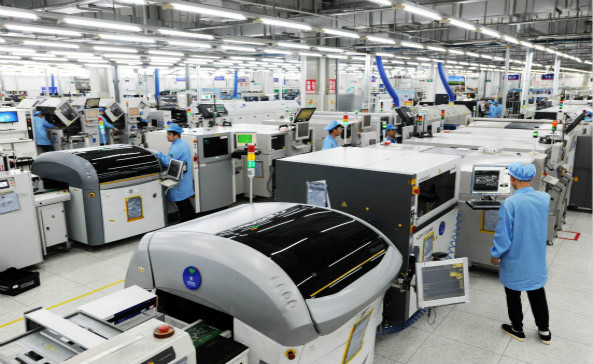
Electronic components are mounted onto the circuit board using suitable assembly procedures. Accuracy during this stage is essential because component placement and connection quality directly affect product functionality.
Inspection and Testing
Completed assemblies undergo appropriate inspection and testing based on project requirements. Visual checks, electrical testing, and functional verification can help identify potential issues before products move forward.
Complete Product Integration
For projects requiring more than individual PCB assemblies, manufacturing can extend to complete electronic products and full-system integration. This provides a coordinated approach for businesses with broader production requirements.
What Makes a Manufacturing Partner Worth Relying On?
Choosing an electronics manufacturing provider should involve more than comparing prices or production capacity. Businesses need to understand whether a potential partner can handle their technical challenges and provide dependable support throughout the project.
Experience with Different Technical Requirements
Manufacturers working with high-difficulty projects need to understand complex circuit designs, specialized materials, precision layouts, and demanding assembly specifications. This experience can be valuable when developing products that require customized solutions.
Consistent Quality Management
Reliable production depends on suitable equipment, experienced personnel, controlled manufacturing procedures, and effective inspection practices. These elements help maintain product consistency and identify problems during production.
Long-Term Customer Relationships
Manufacturing partnerships often extend beyond individual orders. Businesses benefit from working with providers that understand their products, production expectations, and evolving technical requirements.
Long-term cooperation with many of the world's top 500 enterprises reflects the importance of dependable manufacturing support and the ability to serve demanding international customers.
Adaptability and Customer-Focused Solutions
Every project has its own priorities. Some customers need advanced engineering support, while others focus on material sourcing, prototype development, or production scalability. A flexible provider can adapt its services to match these individual objectives.
Choosing a Smarter Path for Your Next Electronics Project
Producing dependable electronic products requires more than assembling components onto a circuit board. It involves thoughtful engineering, appropriate material selection, accurate PCB layouts, organized production, and careful quality verification. Businesses working with complex designs need manufacturing solutions that can accommodate their requirements without unnecessary complications.
A full turnkey approach brings these important activities together, while high-mix production and flexible manufacturing volumes support projects from early prototypes to commercial production. The right manufacturing partner can therefore become an important part of a company's long-term product development strategy.
With customized electronics manufacturing, high-precision PCB assembly, tailored material solutions, and support for low-to-mid-volume and mass production, Wintech offers comprehensive services for businesses seeking dependable manufacturing expertise. Visit the official website to discover how Wintech PCB Assemblies can help turn demanding electronic designs into professionally manufactured products.
...